




Why "Grand Theft" Doesn't Exist in Georgia (But You Still Need Defense)
If you've been charged with what other states call "grand theft", Georgia law actually classifies your case based on dollar amounts, not terminology you might know from other states. This creates confusion that prosecutors exploit, but it also creates opportunities for the defense.
Georgia divides theft crimes into just two categories: misdemeanor (under $1,500) and felony (over $1,500). Unlike Florida, California, or other states that use "petty theft" and "grand theft" terms, Georgia's $1,500 threshold is among the nation's lowest, meaning relatively minor thefts quickly escalate into felony territory.

Understanding this distinction is critical when facing charges that could mean years in state prison.
Georgia Theft Classification and Penalties
Georgia's theft statute (O.C.G.A. § 16-8-2) creates harsh penalties based entirely on property value and your criminal history.
Misdemeanor theft (under $1,500):
#details_start
- Penalties: Up to 12 months county jail, $1,000 fine.
- Examples: Shoplifting items under $1,500, taking property worth less than the threshold.
- Impact: Still creates a permanent criminal record affecting employment.
#details_end
Felony theft ($1,500 to $5,000):
#details_start
- First offense: 1 to 5 years in state prison.
- Repeat offenders: Enhanced sentences up to 10 years.
- Collateral consequences: Loss of voting rights, professional licenses, and housing eligibility.
#details_end
Felony theft ($5,000 to $25,000):
#details_start
- Penalties: 1 to10 years in state prison.
- Restitution: Full value of stolen property plus damages.
- Career destruction: Felony record eliminates many employment opportunities.
#details_end
Felony theft (over $25,000):
#details_start
- Penalties: 2 to 20 years in state prison.
- No mercy rule: Judges have limited discretion at this level.
- Life-altering consequences: Decades of imprisonment for property crimes.
#details_end
Automatic Felony Triggers (Regardless of Value)
Georgia law makes certain thefts automatic felonies regardless of property value. These triggers catch many defendants off guard:
- Motor vehicle theft: Any value makes it a felony (O.C.G.A. § 16-8-2).
- Firearms or explosives: Immediate felony classification.
- Theft from elderly victims (65+): Enhanced penalties regardless of amount.
- Government property: Federal buildings, military installations, public offices.
- Bank property: ATM theft, check fraud, financial institution property.
- Fourth shoplifting conviction: Transforms misdemeanor into felony.
Knowing these triggers helps you understand why prosecutors charged you with felony theft, even if the property value seems low.
Types of Theft Cases We Defend in Hall County

Retail Theft and Shoplifting
Georgia's retail establishments, from Walmart and Target to local businesses, aggressively prosecute shoplifting cases. What starts as poor judgment can quickly escalate into felony charges when multiple items exceed $1,500 in value.
Common scenarios include:
#details_start
- Taking merchandise without paying (concealment in bags, clothing)
- Switching price tags to pay less than retail value
- Using fake receipts or fraudulent returns
- Organized retail crime involving multiple stores or people
#details_end
Defense opportunities:
#details_start
- Challenging loss prevention detention procedures
- Questioning surveillance footage quality and the chain of custody
- Examining intent evidence, such as did you really intend to steal
- Negotiating civil demand letters to avoid criminal prosecution
#details_end
Employee Theft and Embezzlement
Workplace theft cases create complex intersections between employment and criminal law. These cases often involve trusted employees accused of stealing money, inventory, or equipment from employers.
Typical cases involve:
#details_start
- Cash register shortages and missing deposits
- Inventory "shrinkage" attributed to specific employees
- Unauthorized use of company credit cards or accounts
- Taking office supplies, equipment, or materials for personal use
#details_end
Key defense strategies:
#details_start
- Challenging accounting methods and inventory tracking systems
- Examining employee handbook policies and authorization procedures
- Investigating supervisory failures and inadequate internal controls
- Addressing consent issues when employees believed they had permission
#details_end
Theft by Deception and Fraud
Georgia's theft by deception statute (O.C.G.A. § 16-8-3) covers cases where defendants allegedly obtained property through false representations or deceitful practices.
Common deception cases:
#details_start
- Check fraud and bounced check schemes
- Credit card fraud and identity theft
- Insurance fraud and false claims
- Business fraud involving contracts or services
#details_end
Defense approaches:
#details_start
- Proving good faith belief in representations made
- Challenging the victim's reliance on alleged false statements
- Examining intent to deceive versus honest mistakes
- Attacking the prosecution's proof of material misrepresentations
#details_end
Theft of Services
Taking services without payment creates unique prosecution challenges since "services" can be difficult to value and prove.
Service theft examples:
#details_start
- Leaving restaurants without paying bills
- Using utilities without authorization
- Taking rides without paying (taxi, rideshare)
- Receiving professional services without paying agreed-upon fees
#details_end
Defense considerations:
#details_start
- Disputing the value of services received
- Challenging agreements about payment terms
- Examining consent and authorization issues
- Addressing billing disputes versus criminal theft
#details_end
Motor Vehicle Theft
Car theft remains an automatic felony in Georgia regardless of vehicle value. These cases often involve complex evidence, including DNA, fingerprints, surveillance footage, and witness testimony.
Vehicle theft scenarios:
#details_start
- Taking cars without the owner's permission
- Joyriding that escalates to theft charges
- Authorized use that exceeds permission boundaries
- Disputes over vehicle ownership or borrowing rights
#details_end
Effective defenses:
#details_start
- Consent and authorization from vehicle owners
- Challenging identification evidence and witness reliability
- Examining law enforcement investigation procedures
- Addressing constitutional violations during arrests
#details_end
#cta_start
Former Judge and Prosecutor — We Know Both Sides
We've sentenced theft defendants and built prosecution cases. Now we use that insider knowledge exclusively for defense. Don't let prosecutors intimidate you into a bad plea deal.
#cta_end
Common Defenses We Use Against Theft Charges

Lack of Intent to Permanently Deprive
Georgia theft law requires specific intent to permanently deprive the owner of property. This intent element provides our strongest defense opportunity.
Intent defenses include:
- Borrowing without permission: You intended to return the property.
- Honest mistake: You genuinely believed you owned the property or had permission.
- Abandoned property: You reasonably believed the property was discarded.
- Family disputes: Taking property you believed belonged to you in divorce or estate situations.
Evidence supporting intent defenses:
- Your actions after taking the property (attempts to return, hiding versus open use).
- Statements made to the police or witnesses about your intentions.
- Prior relationship with the property owner.
- Circumstances surrounding the alleged theft.

Consent and Authorization
Many theft cases involve disputed consent. If you reasonably believed you had permission to take the property, criminal intent is negated.
Consent scenarios we challenge:
- Employer authorization: Did your workplace policies actually prohibit taking the items.
- Family property: In divorce or estate situations, who has the right to the property.
- Romantic relationships: When partners share property access and then break up.
- Landlord-tenant disputes: Who has rights to property left in rental units?
Proving consent defenses:
- Text messages, emails, or recorded conversations showing permission.
- Witness testimony about the authorization given.
- Written agreements or policies supporting your position.
- Pattern of behavior showing ongoing consent to property use.
Mistaken Identity and Alibi
Eyewitness identification remains notoriously unreliable, especially in theft cases where witnesses are often distracted customers or employees focused on other tasks.
Identity challenges:
- Surveillance footage analysis: Is the video clear enough for identification?
- Witness reliability: How long did witnesses observe the defendant?
- Lighting and distance: Were conditions adequate for accurate identification?
- Stress factors: Were witnesses frightened or distracted during the incident?
Alibi development:
- Timeline reconstruction: Where were you when the theft allegedly occurred.
- Digital evidence: Cell phone records, credit card transactions, GPS data.
- Witness testimony: People who saw you elsewhere during the relevant time.
- Documentary proof: Receipts, tickets, or other evidence placing you somewhere else.

Value Disputes to Reduce Felony to Misdemeanor
Challenging the fair market value of allegedly stolen property can transform felony charges into misdemeanors, dramatically reducing potential sentences.
Value challenge strategies:
- Depreciation arguments: Used property is worth less than the retail price.
- Condition assessment: Was the property damaged, defective, or worn.
- Market analysis: What would similar items actually sell for.
- Multiple appraisals: Obtaining independent valuations that differ from the prosecution's claims.
Evidence supporting value disputes:
- Comparable sales data: Similar items sold for less money.
- Condition documentation: Photos showing wear, damage, or defects.
- Replacement costs: New versus used market values.
- Alternative valuations: Second opinions from qualified appraisers.
Constitutional Violations
Fourth Amendment violations provide powerful tools for suppressing evidence and collapsing prosecutions entirely.
Common constitutional violations:
- Illegal searches: Police searching without warrants, consent, or exigent circumstances.
- Unlawful detention: Holding suspects beyond the scope of reasonable investigation.
- Miranda violations: Questioning suspects in custody without proper warnings.
- Coercive interrogations: Using improper tactics to obtain confessions.
Suppression motion opportunities:
- Evidence exclusion: Illegally obtained evidence cannot be used at trial.
- Fruit of the poisonous tree: Even derivative evidence gets suppressed.
- Case dismissal: Sometimes suppression eliminates the prosecution's entire case.
- Plea leverage: Constitutional violations create negotiating power.
Theft over $1,500 Means Felony Prison Time —
Act Fast!
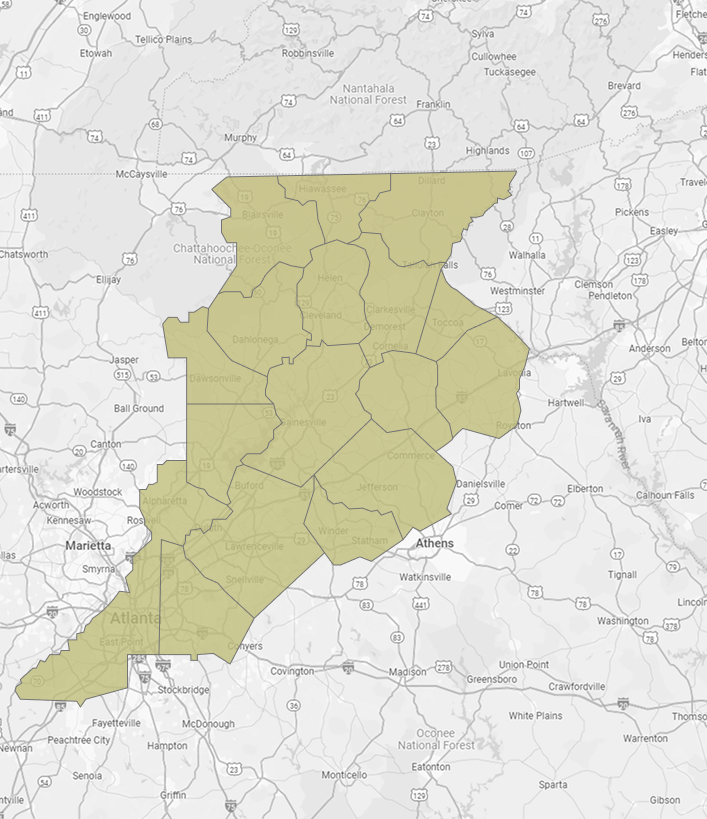
Former prosecutor Blake Poole and former judge Matthew Leipold know Georgia's theft laws inside and out. We've prosecuted these cases, sentenced defendants, and now we fight exclusively for your future in Hall County courts.







.avif)