




Understanding Georgia's Indecent Exposure Laws
Georgia's public indecency statute (O.C.G.A. § 16-6-8) creates severe consequences that extend far beyond typical misdemeanor charges. Most defendants don't realize that even first-time convictions typically require mandatory sex offender registration that can follow you for life.
The law prohibits four specific acts in public places:
- Performing acts of sexual intercourse
- Engaging in masturbation
- Engaging in acts of sodomy
- Exposing one's genitals in a lewd or lascivious manner
What Counts as a "Public Place" in Georgia?
Georgia courts interpret "public place" extremely broadly. In Hester v. State, a man was convicted for exposure near a window visible from a highway even though he was in his own home. Any location where conduct "may reasonably be expected to be viewed" by members of the public qualifies, including:
- Parking lots and vehicles
- Hotel and motel balconies
- Private residences near windows or outdoors
- Beaches, lakes, and recreational areas
- Construction sites and vacant properties
- Public restrooms and changing areas
The Intent Requirement
Georgia law requires proof of "lewd" intent at the time of exposure. Accidental wardrobe malfunctions, medical emergencies, or innocent swimming incidents may not qualify for conviction. This intent element provides our strongest defense opportunity, yet most attorneys barely understand its implications.

Real-World Situations Leading to Indecent Exposure Charges
Understanding how these charges actually develop helps you recognize that good people face these accusations under circumstances they never anticipated:
- Public urination in parking lots, behind buildings, or during outdoor events.
- Sexual activity in vehicles parked in semi-public locations.
- Swimming or sunbathing at Lake Lanier beaches and secluded areas.
- Changing clothes in parking areas or near vehicles.
- Exposure through home windows visible from streets or neighboring properties.
- Hotel or motel balcony incidents where privacy was expected.
- Streaking or flashing during celebrations or dares.
- Masturbation in public restrooms or secluded outdoor locations.
These scenarios demonstrate how ordinary situations can escalate into serious criminal charges that threaten your reputation, employment, and future relationships.
#cta_start
Former Judge and Prosecutor: We Know How to Win
We've sentenced indecent exposure defendants and prosecuted these cases. Now we use that insider knowledge exclusively for defense. Contact us today for the aggressive representation you deserve.
#cta_end
Devastating Consequences of Georgia Indecent Exposure Convictions
The penalties for indecent exposure convictions extend far beyond immediate fines and jail time, creating lifelong consequences that most defendants never anticipate.
Misdemeanor Penalties (First and Second Offenses)
- Jail time: Up to 12 months in custody.
- Fines: Up to $1,000 plus court costs.
- Probation: Supervised or unsupervised terms.
- Community service: Court-ordered hours.
- Sex offender registration: Mandatory under O.C.G.A. § 42-1-12.
Felony Penalties (Third or Subsequent Offense)
- Prison time: One to five years in state custody.
- Substantial fines: Thousands in penalties and fees.
- Extended probation: Long-term supervision requirements.
- Lifetime criminal record: Permanent felony conviction.
Enhanced Penalties for Aggravating Factors
Certain circumstances trigger enhanced sentencing:
- Presence of minors: Automatic felony charges regardless of offense history.
- School or daycare proximity: Enhanced penalties in sensitive locations.
- Multiple victims: Separate charges for each person who witnessed the conduct.
Mandatory Sex Offender Registration Requirements
This is the consequence that destroys lives.Georgia law requires lifetime registration for most indecent exposure convictions, creating permanent restrictions that affect every aspect of your future:
- Annual registration: Must renew with the county sheriff within 72 hours of your birthday.
- Address updates: Required within 72 hours of any move.
- Employment restrictions: Automatic disqualification from schools, daycares, and youth programs.
- Housing limitations: Cannot live within 1,000 feet of schools, parks, bus stops, or daycare facilities.
- Public accessibility: Personal information appears on online registries searchable by neighbors, employers, and dates.
- Travel restrictions: Must notify the sheriff of trips exceeding 72 hours.
- Social stigma: Permanent damage to personal and professional relationships.
HB 571 Relief Pathway: Some Level I offenders may petition for registry removal after completing sentences, but prevention remains far better than attempted removal.
Proven Defense Strategies Against Indecent Exposure Charges

Challenging Criminal Intent
Since Georgia requires proof of "lewd" intent, demonstrating innocent explanations defeats charges entirely:
- Medical emergencies: Illness, injury, or urgent medical conditions.
- Accidental exposure: Wardrobe malfunctions, equipment failures, unexpected situations.
- Swimming incidents: Beach or lake activities without sexual motivation.
- Privacy expectations: Reasonable belief that conduct was private.
- Necessity: Seeking shelter, safety, or avoiding greater harm.
Disputing Public Place Elements
Not every location qualifies as "public" under Georgia law:
- Private, secluded areas: No reasonable expectation of being viewed.
- Abandoned properties: Locations lacking public access or visibility.
- Private residences: Indoor conduct not visible from public areas.
- Consensual adult venues: Locations where exposure is expected or permitted.
Mistaken Identity Defense
Many cases rely on unreliable witness identification:
- Poor lighting conditions: Nighttime or dim environments that affect visibility.
- Distance factors: Witnesses too far away for accurate identification.
- Brief observation: Insufficient time for reliable identification.
- Stress and fear: Emotional states affecting witness memory and accuracy.
Constitutional Violations
Fourth Amendment violationsprovide powerful tools when law enforcement exceeds authority:
- Illegal searches: Warrantless searches of homes, vehicles, or persons.
- Unlawful detention: Extending traffic stops or encounters beyond legal limits.
- Coercive interrogation: Questioning without proper Miranda warnings.
- Evidence suppression: Excluding illegally obtained evidence from prosecution.
As a former prosecutor, Blake knows exactly what evidence the state needs and where their cases typically fail. As a former judge, Matt understands what arguments judges find persuasive. This dual perspective allows us to build specialized defenses that work from both sides of the courtroom.
The Advantage of Former Prosecutor and Judge Experience

Our combination of prosecutorial and judicial experience is exceptionally rare in Northeast Georgia, providing tangible advantages that other attorneys cannot match.
Insider Prosecution Knowledge
Blake's prosecutorial background reveals exactly how the state builds indecent exposure cases:
- Evidence requirements: What prosecutors need for conviction, and where cases weaken.
- Witness preparation: How the state presents testimony and where inconsistencies develop.
- Plea negotiation: Understanding reasonable settlement parameters and prosecutor motivations.
- Trial strategy: Knowing prosecution patterns and anticipated arguments.
Judicial Decision-Making Insights
Matt's experience as a judge provides an unmatched understanding of how courts evaluate these cases:
- Sentencing factors: What influences judges during penalty determinations.
- Motion rulings: How judges analyze suppression arguments and constitutional challenges.
- Credibility assessments: What makes witnesses and evidence persuasive or unreliable.
- Alternative resolutions: When judges consider treatment, probation, or dismissal options.
Local Court Relationships
Our Gainesville location provides daily familiarity with Hall County courts:
- Prosecutor relationships: Established connections from years of professional interaction.
- Judicial preferences: Understanding how local judges approach specific case types.
- Court procedures: Intimate knowledge of local rules, deadlines, and expectations.
- Community standards: Awareness of local attitudes affecting jury selection and trial strategy.
When you're facing charges this serious, you need someone who knows the system from every angle. This dual perspective creates psychological advantages in negotiations and trial preparation that simply cannot be matched.
Sex Offender Registration: The Hidden Penalty

Most defendants focus on jail time and fines while overlooking the consequence that truly destroys lives: mandatory sex offender registration. Understanding these requirements demonstrates why preventing conviction becomes absolutely critical.
Lifetime Registration Obligations
Georgia's sex offender registry (O.C.G.A. § 42-1-12) creates permanent obligations:
- Annual renewal: Within 72 hours of every birthday, regardless of circumstances.
- Address verification: Any move requires notification within 72 hours.
- Employment reporting: Job changes must be reported to the authorities.
- Vehicle registration: License plates and vehicle information must be current.
- Internet monitoring: Online activity may be subject to monitoring.
Geographic Restrictions
Registered offenders cannot live within 1,000 feet of:
- Schools, both public and private
- Daycare centers and preschools
- Parks, playgrounds, and recreational facilities
- School bus stops during operating hours
- Youth programs and activity centers
These restrictions eliminate most housing options in urban areas, forcing registrants into isolated, expensive housing arrangements that strain families and employment opportunities.
Public Accessibility and Social Consequences
Your registration information becomes publicly searchable online, including:
- Full name, address, and physical description
- Photograph updated regularly
- Conviction details and offense dates
- Vehicle information and license numbers
- Employment location and contact information
Neighbors, employers, romantic partners, and community members can easily access this information, creating a permanent social stigma that affects relationships, employment, housing, and community acceptance.
The best strategy is to prevent a conviction that requires registration in the first place. With early intervention and aggressive defense, we work to get charges reduced, dismissed, or amended to non-registrable offenses.
Hall County Court Procedures for Indecent Exposure Cases

Understanding where and how your case will be handled helps prepare you for the legal process while identifying strategic opportunities for defense.
Court System Structure
Magistrate Court: Initial appearances, bond hearings, and preliminary proceedings occur in Hall County Magistrate Court. These early hearings set the tone for your entire case and require immediate attention.
State Court: Most misdemeanor indecent exposure cases proceed through Hall County State Court, where we maintain regular practice and excellent relationships with judges and prosecutors.
Superior Court: Felony cases (third offense or enhanced charges involving minors) are tried in Hall County Superior Court, requiring more sophisticated defense strategies and experienced trial counsel.
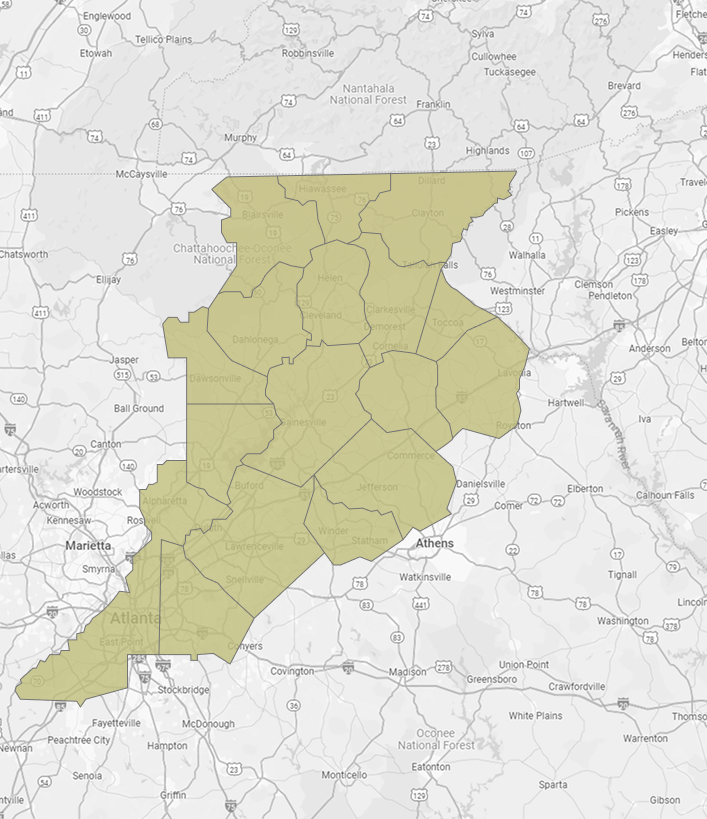
Geographic Coverage Throughout Northeast Georgia
Our practice extends throughout the region, serving clients in:
- Hall County: Gainesville, Flowery Branch, Oakwood, Lula, Clermont.
- Forsyth County: Cumming and surrounding communities.
- Gwinnett County: Lawrenceville and northern suburbs.
- Dawson County: Dawsonville and Lake Lanier communities.
- Lumpkin County: Dahlonega and mountain communities.
- White County: Cleveland and Helen area.
- Banks County: Homer and Commerce region.
- Jackson County: Jefferson and Commerce areas.
- Barrow County: Winder and surrounding areas.
Each county has unique prosecutors, judges, and procedures. Our familiarity with these local variations allows us to tailor defense strategies to specific jurisdictions and courthouse cultures.
How Indecent Exposure Differs from Related Charges

Understanding charge distinctions helps you recognize overcharging and allows us to identify opportunities for reduction to less serious offenses.
Public Indecency vs. Criminal Trespass
Criminal trespassrequires only unlawful entry onto property with notice of prohibition. It doesn't require sexual conduct or lewd intent, making it a preferable outcome with no sex offender registration requirements.
Indecent Exposure vs. Public Lewdness
Public lewdnessencompasses broader sexual conduct in public but may offer plea negotiation opportunities depending on the specific conduct alleged.
Simple Exposure vs. Child Endangerment
When minors are present during alleged exposure, prosecutors often add child endangermentcharges that carry separate penalties and enhanced consequences. These cases require sophisticated defense strategies addressing both charges simultaneously.
Misdemeanor vs. Felony Distinctions
Understanding when charges escalate to the felony level helps evaluate case severity:
- Third offense: Automatic felony with one to five years in prison.
- Minor involvement: Immediate felony regardless of offense history.
- Aggravating circumstances: Enhanced penalties in certain locations or situations.
Sex Offender Registration Can Last a Lifetime: Fight Back Now!
Former prosecutor Blake Poole and former judge Matt Leipold combine decades of insider experience to defend indecent exposure cases throughout Northeast Georgia. We understand these charges from every angle, having prosecuted them and ruled on them. Now, we defend clients with unmatched insight.



.avif)